Frequently Asked Questions
This page is preserved as it stood. The answers were written for people who were about to attend a seminar, and they are kept in that voice because they are the clearest surviving description of how the week actually ran. No session has been held for many years; nothing here is a current offer.
What was an average day like?
Breakfast from 7:30, a morning class at 9:00, an optional Toolbox class at 11:00, lunch, an afternoon class at 1:30, a second optional Toolbox slot at 3:30, informal workshops at 5:00, dinner, an evening event at 8:00, and jamming afterwards for as long as people lasted. The full timetable is on the programme page.
Could I record the classes?
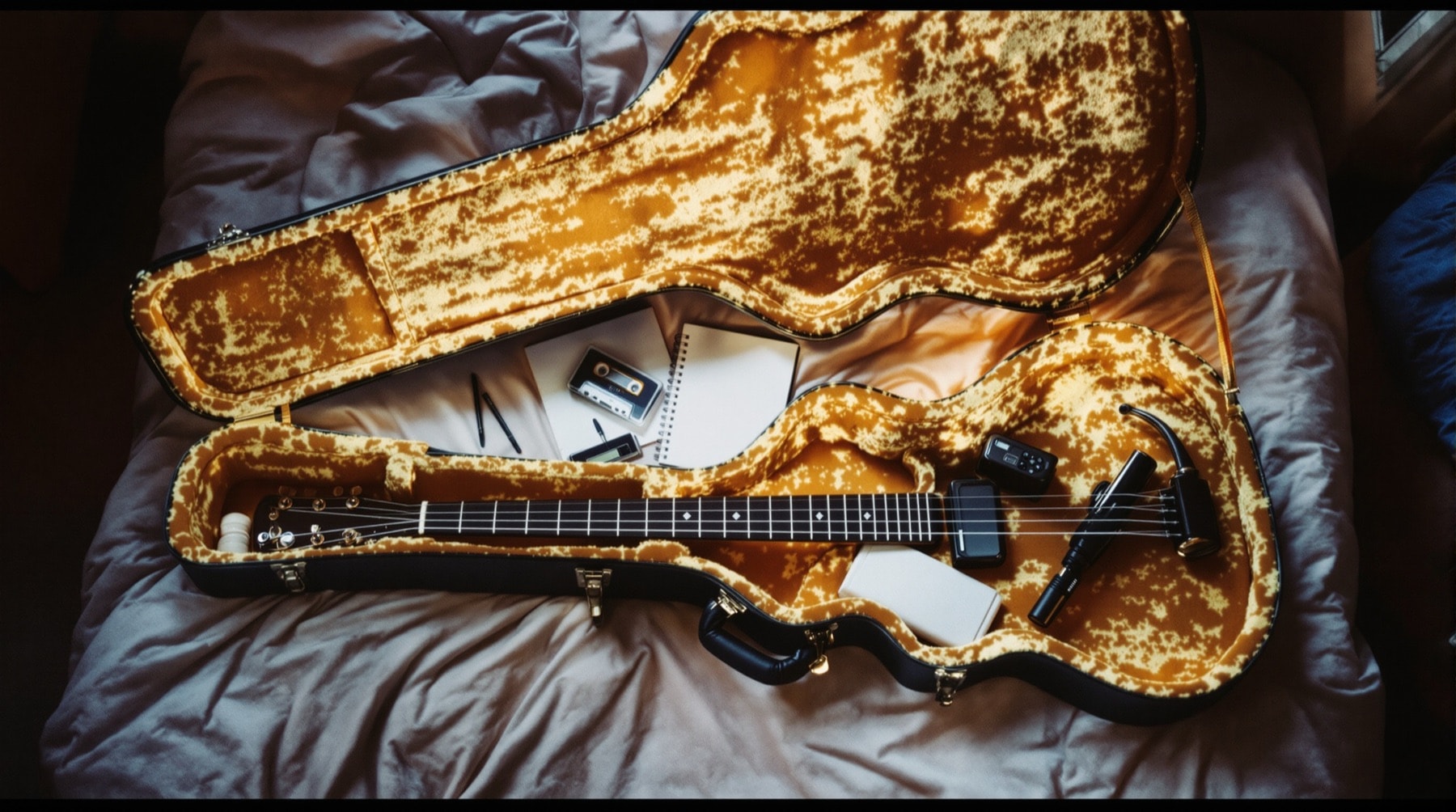
Yes, and it was encouraged. Students were advised to bring a tape or minidisc recorder with batteries and media. A cassette dubbing machine was kept available so that students could make copies of classes they had not been able to attend — a small piece of infrastructure that says a good deal about the seminar's attitude to sharing material.
What were the accommodations like?
At Columbia University everyone had a private room with a single bed. At the University of California, Santa Cruz most rooms were doubles — large, with single beds on opposite sides — and a small number of smaller single rooms were available for those who preferred privacy.
Did I have to read music?
No. The seminar's stated position was blunt: the best way to learn blues is by ear. That is why students were told to bring a recorder. Reading music could be helpful, but it was never assumed, and no class depended on it.
How big were the classes?
Typically five to fifteen people. If one class became significantly larger than the others, an assisting "instigator" worked with the beginning students so nobody was left behind.
Did I have to sign up for classes before arriving?
No. Students chose after watching the demonstrations on the first evening, and there was no danger of being closed out, because class sizes were not capped.
What kind of guitar should I have brought?
Whatever you actually played. The week covered fingerstyle on flat-tops, bottleneck on steel-bodied resonators, lap slide, and swing and ragtime playing on archtops, so there was no single right instrument. Students working on slide were advised to bring a bottleneck, and to consider whether their instrument's action would take one — a point covered in more detail on the tunings and slide page.
Any advice for carrying a guitar on an aeroplane?
The seminar answered this every year, because a third of the room had flown in. The practical advice was the standard advice among touring players: loosen the strings a little, pack the case around the headstock so the neck cannot move, and treat a flight case as insurance rather than luxury if you are checking the instrument. Students arriving from overseas frequently borrowed instruments rather than risk their own.
Was there material available for study before arrival?
Some. Faculty occasionally circulated tunes or tunings in advance, and the seminar recommended listening rather than preparing: knowing the recordings a class was built on was worth more than having learned them.
Could you recommend recordings to listen to?
The recurring names across the classes were Charley Patton, Blind Blake, Lonnie Johnson, Blind Willie Johnson, Kokomo Arnold, Robert Johnson, Bukka White, Skip James, Big Bill Broonzy, Scrapper Blackwell, Blind Lemon Jefferson and the Reverend Gary Davis. The repertoire page sets out what each of them contributed to the syllabus and why.
I was a beginner. Would even the Toolbox basics be too difficult?
This was the most common anxiety in the pre-seminar correspondence, and the answer never changed: no. The Toolbox classes existed precisely for players who needed to shore up fundamentals, and the subject-not-level structure of the main classes meant that beginners were in every room. Several of the alumni letters are from people who arrived convinced they would be out of their depth.
Would I be treated differently if I was not a very good guitarist?
No — and the seminar treated this as a matter of design, not of good manners. The whole point of a non-competitive residential week was that nobody was auditioning.
Did I have to perform at the student concert?
No. Performing was voluntary. Staff accompaniment was available to anyone who asked for it.
Could I bring my family or spouse?
Yes, subject to accommodation. Partners who did not play were a regular feature of the week, particularly at the Santa Cruz sessions.
Was there a minimum age?
The seminar was designed for adults and ran as an adult residential programme.
Were vegetarian meals available?
Yes. Catering at both universities accommodated vegetarian students.
Would my guitar be safe while I was at meals and events?
Instruments were left in class and practice spaces routinely across the week, and the seminar's answer reflected a small, closed, residential community. Students were nonetheless advised to use the lockable rooms provided for valuable instruments.
How could I get in touch with students who had already attended?
Through the seminar's message board, which ran for years and outlived the sessions themselves. It is described on the forum page.
Could I suggest a topic to be taught?
Yes. Students could request a class on a subject of their choice; an instructor would announce it and anyone interested joined. Requested workshops were a standing part of the late-afternoon slot.
Where could I buy books, CDs and videos by the staff?
Instructional material by several faculty members was published by long-established houses in the field, including Homespun and Stefan Grossman's Guitar Workshop, both of which are still trading. The links page preserves the wider set of resources the seminar pointed students toward.
Archive note. International Guitar Seminars is no longer operating and this page is preserved for the record. There is no session to register for, nothing is offered for sale here, and the pages carry no contact details.